
If you've ever stood at the edge of a job site watching a crane lift 20 tons of steel beams like they're nothing, there's a good chance you didn't notice the square outrigger pads hidden under its legs-but they're the reason that crane isn't sinking into soft dirt or tipping over mid-lift. I've been supplying these pads for 8 years now, and let me tell you, most folks don't realize how many different ways they show up, way beyond just "catching a crane." Today I'm breaking down all the uses of these unsung job-site heroes, straight from the guy who sells 'em.
First, let's cut to the most common use everyone knows, but let's get the boring science out of the way real quick. Cranes (and other heavy machinery like aerial lifts, scissor lifts, even big concrete pump trucks) have outriggers-those extendable metal legs that pop out when they set up. Those outriggers put a ton of pressure on the ground, like, way more than grass or loose dirt can handle. Without a pad, you're looking at sinking outriggers, uneven lift levels, and a huge safety risk. Our standard pad size, the 40040050mm Outrigger Pad, is perfect for small to mid-sized cranes-think the ones used for residential roof work, small commercial framing, or moving HVAC units. I had a contractor hit me up last month saying he used these on a 30-ton crane for a house addition, and he never once had to reposition because the pad spread the load evenly. That's the bread and butter, right?
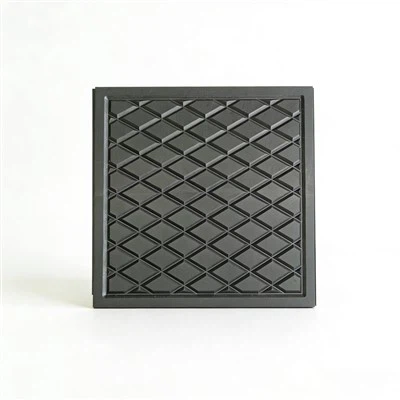
But here's where it gets interesting: square outrigger pads aren't just for flat, compacted job site dirt. Let's talk about uneven ground, because that's where a lot of beginners mess up. I've seen guys try to stack cinder blocks or old pallets under outriggers to level a lift, and that's a recipe for disaster. Those materials shift, crack, or sink, no matter how "sturdy" they look. Square outrigger pads are rigid enough to hold that pressure but durable enough to handle slopes, gravel, even wet mud. The textured ones, like the Texture Square Outrigger Pad, are a game-changer here-their rough top surface stops the outrigger leg from sliding around on slick or sloped terrain. Last winter, a municipal client used them for fixing a traffic light pole on a slushy, side-of-the-road spot, and they said the textured pad kept the crane stable even when a plow truck kicked up slush nearby. No more shifting legs, no more panic.
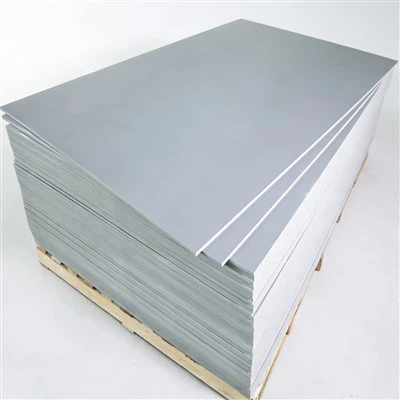
Now, let's move to the bigger jobs. When you're dealing with 100+ ton cranes lifting steel for skyscrapers or installing turbine blades for wind farms, you can't use that tiny 400mm pad. That's where the 1000100080mm Outrigger Pad comes in. It's like the heavy-duty workhorse of our lineup, made to spread out insane amounts of weight over a larger area so you don't damage whatever's under it. I've had wind farm crews tell me they use these on soft, rocky ground where regular pads would sink or crack. The extra thickness also means they can handle sharp debris-like loose rebar or broken concrete chunks-that you often find on large job sites. No one wants a pad ripping mid-lift, especially when you're holding a 50-ton wind turbine blade 200 feet in the air.
Wait, but the uses don't stop at cranes. Let's talk about other heavy equipment first. Aerial work platforms (AWPs) or scissor lifts-when they're set up on soft ground, their small legs can sink just as bad as a crane's. I had a painting contractor reach out last year who was using a 60-foot scissor lift to paint a church steeple, and he kept sinking into the wet grass around the church. He picked up a few of our smaller square pads, and suddenly he could move the lift around the whole yard without having to place plywood every time. Even concrete pump trucks-those big rigs with the long booms that pour concrete for slabs-need outrigger pads to keep their legs from sinking into the muddy ground around a new build. I've seen pump trucks get stuck so bad they had to call a wrecker, just because they skipped using proper pads.
Then there's the stuff you wouldn't expect: temporary event setups. Yeah, that's right. Big concerts or music festivals use massive stages, portable lighting trusses, and heavy generator units, all of which need to be set up on uneven grass or asphalt that might not hold up over a 3-day event. Square outrigger pads keep those stage legs from digging into the grass, so when the crew breaks down, they don't leave a bunch of deep ruts that the property owner has to fix. I had a local concert promoter tell me they use our textured pads for all their outdoor shows because the rough surface keeps stage legs from sliding on grass that's been trampled by thousands of people. Way better than using those flimsy plastic mats that crack after one use.
Even utility work! When power companies need to replace a utility pole or fix a power line, they use big digger derricks-those trucks with the crane arm and digging bucket. Those trucks have outriggers too, and when they're working on soft or sandy ground near a road, square outrigger pads prevent them from tipping over. I remember a utility worker telling me about a time their truck almost tipped because they skipped using pads on a sandy beach to replace a coastal power pole. They never skipped pads after that. It's those small, "no big deal" steps that keep guys safe.
Now, let's get into the nitty-gritty of why square specifically, not round or rectangular? Trust me, I get the confusion. Round pads roll away if they're not weighted down, and rectangular ones can be tricky to line up evenly with outrigger legs. Square pads are easy to align-you just line the outrigger leg up with the center of the square, no guessing. They also take up less space on a crowded job site, which is a huge win when you're working between existing buildings or tight streets. Another thing: square pads stack nicely. When you're moving them from the truck to the job site, you can pile 10 or 15 of them on a pallet without them sliding around, which saves time on loading and unloading. I've had guys tell me they used to carry loose round pads, and half of them would fall off the truck on the way to the job. Square pads eliminate that headache.
I also need to mention durability here, because not all square outrigger pads are made the same. The good ones (the ones we supply) are made from high-density polyethylene (HDPE) that's designed to hold up to UV rays, oil spills, and heavy use. A lot of cheap pads will crack after a few uses, especially if you're leaving them out in the sun or getting them covered in concrete. Our pads? I have a customer who's been using our 400mm pads for 5 years, and they still look almost new. He said he's only replaced one because he lost it on a job site, not because it wore out. That's the kind of longevity you need when you're investing in equipment for your business.
Let's talk safety, because that's the big one I never want anyone to overlook. OSHA has specific rules about outrigger support systems, right? Most of those rules require using pads that can distribute the load of the machinery so the ground doesn't exceed its bearing capacity. If you skip using proper square outrigger pads, you're not only risking damaging the ground or your equipment-you're risking a catastrophic tip-over. I've seen photos (and heard horror stories) of cranes tipping over because someone used a few 2x4s under the outrigger. It's not worth it. Even if you're on a small residential job, following those safety rules keeps you and your crew alive.
Wait, another use I haven't hit: heavy equipment moving. When you're relocating a bulldozer or a large forklift, sometimes you need to set them on stable ground temporarily, especially if you're moving them over soft surfaces like lawns or gravel. Square outrigger pads work great here because they provide a flat, stable surface for the equipment to sit on, so you don't damage the lawn or get the forklift stuck. I had a construction company use our pads when moving a 15-ton bulldozer across a client's property, and they said they left zero ruts or damage, which saved them a ton on repair fees.
So let's recap, just to make sure I didn't miss anything. Square outrigger pads aren't just for big construction cranes. They work for: small residential cranes and HVAC lifts, mid-sized scissor lifts and concrete pump trucks, heavy-duty wind farm and skyscraper cranes, event stages and lighting trusses, utility digger derricks, and even heavy equipment moving over soft ground. They're easier to align than round pads, stack better for transport, and the textured ones add extra grip on slick or sloped terrain. And when you get the right size-like the 400mm for small jobs, 1000mm for heavy lifts-they last for years, not just one use.


If you're in the market for square outrigger pads, whether you need a handful for a small residential job or a whole pallet for a big construction project, feel free to reach out to us to discuss your specific needs. We can help you pick the right size and type of pad to keep your job site safe and running smoothly.
References
- Occupational Safety and Health Administration (OSHA). (2023). Cranes and Derricks in Construction. 29 CFR 1926 Subpart CC. U.S. Department of Labor.
- National Center for Construction Education and Research (NCCER). (2021). Crane Operations (5th ed.). Pearson Education.
- American Society of Civil Engineers (ASCE). (2020). Guidelines for Ground Bearing Capacity for Construction Equipment. ASCE Press.
- Construction Safety Association of Ontario (CSAO). (2022). Outrigger Pad Selection and Usage Manual. CSAO Publications.