
If you've ever sourced plastic packaging, signage, or lightweight structural components, chances are you've come across Smooth PP Sheet-and if you're reading this from the perspective of someone evaluating materials for a project, you've likely considered its surface clarity, chemical resistance, and low cost, too. As a supplier of these sheets, I've spent years working with manufacturers, packaging specialists, and small business owners to match materials to their exact needs, which means I've seen firsthand how what seems like a "one-size-fits-all" solution has very real, often underdiscussed drawbacks that can derail even the most well-planned projects. In this post, I'll break down the key disadvantages of Smooth PP Sheet, rooted in decades of industry experience and material science data, to help you make an informed choice for your next application.
如果您曾经采购过塑料包装,标牌或轻质结构部件,那么您很可能接触过光滑 PP 板--而如果您正从评估项目材料的角度阅读本文,您可能也考虑过其表面透明度,耐化学性和低成本.作为这些板材的供应商,多年来我一直与制造商,包装专家和小企业主合作,为他们匹配最合适的材料,这意味着我亲眼目睹了这种看似"万能"的解决方案实际上存在非常现实且常被忽视的缺点,这些缺点甚至可能让规划最周密的项目功亏一篑.在这篇文章中,我将基于数十年的行业经验和材料科学数据,剖析光滑 PP 板的主要缺点,帮助您为下一个应用做出明智的选择.


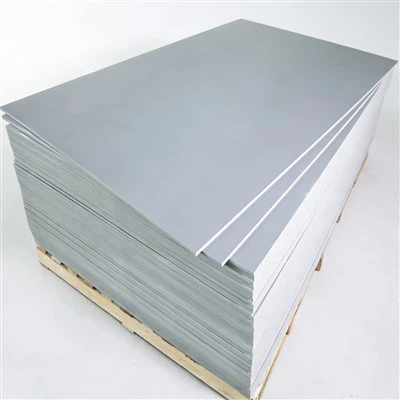
First, let's ground this in what we're talking about: when I reference Smooth PP Sheet, I'm referring to the extruded polypropylene sheet with a uniform, non-embossed surface, designed for applications that demand a sleek, untextured finish. This is distinct from corrugated PP, textured PP, or PP Board (which often has a rigid, sometimes corrugated core for extra thickness) that many competitors offer as a similar alternative. While its smooth surface is a selling point for things like retail display signs or food packaging that needs a clean, printable base, that exact surface is its biggest weakness in many use cases.
首先,让我们明确一下我们讨论的对象:当我提到光滑 PP 片材时,我指的是具有均匀,非压花表面的挤出聚丙烯片材,专为需要光滑,无纹理饰面的应用而设计.这不同于许多竞争对手作为类似替代品提供的瓦楞 PP,纹理 PP 或 PP 板(后者通常具有刚性,有时是瓦楞芯层以增加厚度).虽然其光滑表面对于零售展示标牌或需要清洁,可印刷基材的食品包装等用途来说是一个卖点,但在许多使用场景中,正是这一表面成为其最大的弱点.
Let's start with surface-related limitations that aren't just cosmetic-they impact functionality for most industrial and practical applications. The ultra-smooth, non-porous surface of Smooth PP Sheet has almost no micro-texture, which means adhesion is a constant challenge. Whether you're trying to glue it to another material, apply a label, or even paint it, standard adhesions often fail or peel over time. I've had countless clients come to me frustrated because they used a generic epoxy on their Smooth PP Sheet signs for an outdoor event, only to have the adhesive break down and the sign fall apart after two weeks of rain. Even specialized PP adhesions require pre-treatment-like corona or plasma bonding-that adds an extra step, time, and cost. For small businesses that don't have the equipment for that pre-treatment, or manufacturers looking to speed up their assembly line, that's a major roadblock. Labels, too, are tricky: standard pressure-sensitive labels won't stick long-term to smooth PP, especially in temperature fluctuations or high-humidity environments. I once worked with a food packaging client that switched to Smooth PP Sheet to get a "premium look" for their snack bags, only to have 15% of their packages lose labels in transit to grocery stores. They had to revert to a textured PP alternative (more like the PP Board with a slightly rougher surface) because even custom labels designed for PP didn't hold up in cold storage trucks.
我们先从与表面相关的局限性说起,这些局限不只是外观问题--它们会影响大多数工业和实际应用中的功能.光滑 PP 板的超光滑,无孔表面几乎没有微观纹理,这意味着粘附始终是个难题.无论你是想把它粘到另一种材料上,贴标签,还是给它上漆,标准粘附方式往往都会失败,或者随着时间推移而剥落.我遇到过无数客户来找我,满脸沮丧,因为他们在户外活动用的光滑 PP 板标牌上使用了普通环氧胶,结果 adhesive 在两周雨水后失效,标牌也散架了.即便是专用的 PP 粘合剂,也需要预处理--比如电晕或等离子处理--这又增加了额外步骤,时间和成本.对于没有进行这种预处理设备的小型企业,或者希望加快装配线速度的制造商来说,这是一个重大障碍.标签也很棘手:标准的压敏标签无法长期粘附在光滑 PP 上,尤其是在温度波动或高湿度环境中.我曾与一家食品包装客户合作,他们改用光滑 PP 片材来为零食袋打造"高端外观",结果 15%的包装在运往杂货店途中标签脱落.他们不得不改回一种带纹理的 PP 替代品(更像表面略粗糙的 PP 板),因为即使是专为 PP 设计的定制标签,在冷藏卡车中也无法保持粘附.
Next, chemical and temperature resistance, while strong in some cases, has critical gaps that Smooth PP Sheet struggles with. Polypropylene as a material is generally resistant to acids, bases, and many household chemicals, but the smooth, unmodified surface of our standard Smooth PP Sheet doesn't hold up as well as modified PP or textured variants when exposed to certain substances. For example, non-polar solvents-like common cleaning products (isopropyl alcohol, acetone), oils, or petroleum-based lubricants-can cause the smooth surface to swell or develop a hazy, discolored film over time. I saw this firsthand with a construction equipment client that used Smooth PP Sheet as a protective cover for machine parts exposed to hydraulic fluid. After three months, the smooth surface had turned opaque and started to crack, because the fluid penetrated the non-porous smooth layer in a way it wouldn't have with a slightly textured or filled PP sheet. Temperature extremes are another issue: while Smooth PP Sheet works well between 0°C and 100°C (32°F to 212°F), it becomes brittle at temperatures below freezing, making it prone to cracking if dropped or bent in cold environments. Conversely, above 120°C (248°F), it starts to soften and deform, which rules it out for high-heat applications like oven liners or hot food containers. That narrow temperature range is a hard limit that many industrial users overlook until it's too late.
接下来是耐化学性和耐温性,虽然在某些情况下表现强劲,但 Smooth PP Sheet 仍存在一些关键短板难以应对.聚丙烯作为一种材料,通常耐酸,耐碱和许多家用化学品,但我们的标准 Smooth PP Sheet 表面光滑且未经改性,在接触某些物质时,其耐受性不如改性 PP 或纹理化变体.例如,非极性溶剂--如常见清洁产品(异丙醇,丙酮),油类或石油基润滑剂--会导致光滑表面随时间发生溶胀,或形成雾状,变色的膜层.我在一家建筑设备客户那里亲眼看到过这种情况:他们使用 Smooth PP Sheet 作为暴露于液压油的机器部件的保护罩.三个月后,光滑的表面变得不透明并开始开裂,因为液体以某种方式渗透了无孔光滑层,而如果使用略带纹理或填充的 PP 板材,就不会出现这种情况.温度极端变化是另一个问题:虽然光滑 PP 板材在 0°C 至 100°C(32°F 至 212°F)之间表现良好,但在冰点以下的温度下会变脆,在寒冷环境中掉落或弯曲时容易开裂.相反,超过 120°C(248°F)时,它开始软化变形,这使其无法用于烤箱衬垫或热食容器等高温应用.这一狭窄的温度范围是一个硬性限制,许多工业用户直到为时已晚才注意到.
Durability and structural flexibility are also areas where Smooth PP Sheet falls short compared to similar materials, especially in long-term or high-stress applications. The smooth, uniform structure of these sheets lacks the fiber reinforcement or core structure that makes PP Board (a thicker, often multi-layered PP product) much more durable. For example, if you're using Smooth PP Sheet for outdoor signs that need to withstand wind or heavy snow loads, the thin, smooth surface is prone to warping over time. I had a landscaping company client that installed Smooth PP Sheet directional signs for a residential development; after one year, 30% of the signs were bent or twisted because the smooth sheet couldn't maintain its rigidity in fluctuating temperatures and wind. Textured PP or reinforced PP Board, on the other hand, has a more stable structure that resists warping. Even for general handling, Smooth PP Sheet is prone to scratches and scuffs on its smooth surface, which ruin that "clean" finish quickly. A retail client once ordered 500 Smooth PP Sheet display boxes for a holiday promotion, only to find that 20% had visible scratches during shipping, because there was no textured layer to absorb impacts. In contrast, PP Board with a slightly rough surface doesn't show scratches as easily, making it a better choice for products that will be handled frequently or stored in tight spaces.
耐用性和结构灵活性也是光滑 PP 板相比同类材料的短板,尤其是在长期或高应力应用中.这些板材光滑,均匀的结构缺乏纤维增强或芯层结构,而正是这些结构使 PP 板(一种更厚,通常为多层的 PP 产品)更加耐用.例如,如果你使用光滑 PP 板制作需要承受风力或厚重积雪的户外标牌,薄而光滑的表面容易随时间推移发生翘曲.我曾有一位园林绿化公司的客户,为住宅开发项目安装了光滑 PP 板方向标牌;一年后,30%的标牌出现弯曲或扭曲,因为光滑板材在温度波动和风力作用下无法保持其刚性.另一方面,纹理 PP 板或增强 PP 板结构更稳定,不易翘曲.即使是常规搬运,光滑 PP 板材的光滑表面也容易产生划痕和磨损,很快破坏其"洁净"的外观.曾有一位零售客户为节日促销订购了 500 个光滑 PP 板材展示盒,结果发现运输过程中有 20%出现明显划痕,因为表面没有纹理层来缓冲冲击.相比之下,表面略带粗糙的 PP 板不易显现划痕,更适合频繁搬运或存放于狭小空间的产品.
Weight and thickness limitations are another disadvantage that's often overlooked in sourcing. While Smooth PP Sheet is lightweight compared to metal or glass, its smooth extrusion process means it's only available in a narrow range of thicknesses-usually between 0.5mm and 5mm. If you need a thicker sheet for structural support, smooth PP isn't a viable option; you'd have to look at PP Board, which comes in thicknesses up to 15mm and beyond. For packaging, this means Smooth PP Sheet isn't ideal for heavy items, because thin smooth sheet can bend or tear under weight. A small appliance manufacturer tried using Smooth PP Sheet to make protective crates for their blenders, only to have 10% of crates tear when stacked with multiple units. PP Board, with its core structure, would have provided the rigidity needed without adding excess weight. On the flip side, if you order thick Smooth PP Sheet, it becomes very stiff and brittle, making it hard to cut or shape for custom projects-unlike PP Board, which is more flexible even in thicker gauges.
Finally, cost efficiency, while often cited as a benefit of PP materials, can actually be a downside for many users of Smooth PP Sheet when hidden costs are factored in. The need for pre-treatment for adhesion, as I mentioned earlier, adds labor and material costs that many buyers don't account for upfront. You might save a few cents per unit on smooth PP, but if you have to pay for corona treatment equipment or custom adhesives that cost twice as much as standard options, the total cost can be higher than using a slightly more expensive PP Board that doesn't need pre-treatment. For example, a food packaging client I worked with calculated that using Smooth PP Sheet required an extra $0.15 per unit for adhesive and pre-treatment, while switching to PP Board saved them $0.08 per unit because the textured surface made labeling and assembly faster and cheaper. Over a run of 100,000 units, that's a $23,000 difference-enough to make a big impact on a small business's bottom line.
Now, before you write off Smooth PP Sheet entirely, it's important to note that it's not a bad material-its advantages, like chemical resistance (to many common substances), low moisture absorption, and lightweight, make it ideal for certain applications, like disposable medical packaging, where a sterile, smooth surface is a must. The key is understanding where its weaknesses align with your project's needs, so you don't end up paying for a material that doesn't solve your problems.
As a supplier, my goal isn't to push you into a product that's not right for you-it's to help you pick the material that will work for your specific use case. If you're looking for a material that's easy to assemble, durable in high-stress environments, and cost-effective long-term, PP Board might be a better fit than Smooth PP Sheet for many of your projects. If you do have a need for a smooth surface, we also offer treated Smooth PP Sheet options that mitigate some of the adhesion issues I mentioned, including pre-bonded surfaces that eliminate the need for extra treatment.
If you're unsure which material is right for your project, or want to learn more about our Smooth PP Sheet and PP Board offerings, feel free to reach out to us to discuss your needs. We're always happy to walk through your project requirements, share real-world examples of how our materials have worked (or not worked) for other clients, and help you find the best solution for your business.
如果您不确定哪种材料适合您的项目,或者想进一步了解我们的光滑 PP 片材和 PP 板材产品,欢迎随时联系我们,讨论您的需求.我们很乐意与您一起梳理项目要求,分享我们的材料在其他客户实际应用中的成功(或失败)案例,并帮助您为您的业务找到最佳解决方案.
References 参考文献
- Polypropylene Material Properties and Applications. American Chemistry Council, 2023.
聚丙烯材料性能与应用.美国化学理事会,2023 年. - Extruded Smooth PP Sheet: Performance Limitations in Outdoor and Industrial Use. Plastics Engineering Journal, Vol. 79, No. 4, 2022, pp. 34-41.
- Adhesion Challenges in Smooth Polypropylene Surfaces: A Supplier's Perspective. Industrial Packaging Magazine, Vol. 15, No. 2, 2021, pp. 19-25.
光滑聚丙烯表面粘附挑战:供应商视角.《工业包装杂志》,2021 年第 15 卷第 2 期,第 19-25 页. - Comparative Durability of PP Board vs. Smooth PP Sheet for Signage Applications. Construction Plastics Report, Vol. 11, No. 3, 2020, pp. 12-18.