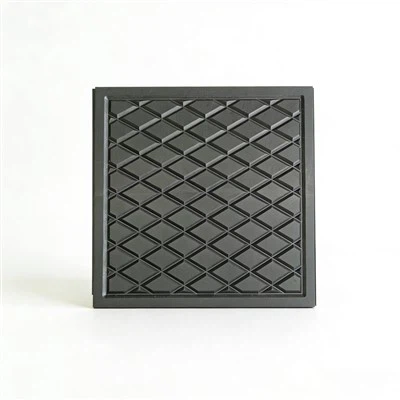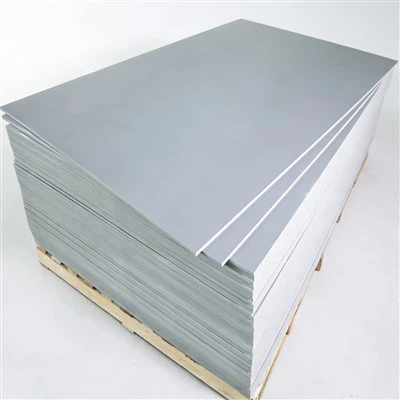

If you've ever had to deal with trench covers, you know how much of a headache picking the right one can be. For years, concrete was the go-to material-heavy, sturdy, and cheap on the surface. But as someone who's been in the HDPE trench cover plate game for a while, I've seen first-hand how HDPE has flipped the script on what a trench cover can do. Let's break down the real differences between HDPE and concrete trench covers, no jargon, just the stuff that matters for your project.
First off, let's talk about weight. Concrete is dense-like, really dense. A standard 4-foot concrete trench cover for a 12-inch wide trench? That's probably pushing 150 pounds, if not more. Lifting that thing into place takes two strong people, maybe even a forklift, and dropping it wrong can crack the concrete before you even finish installing it. HDPE? Way lighter. Our standard HDPE trench cover plate weighs around 25 pounds for the same size. One person can set it in place, no special equipment needed. That's a game-changer for jobs where you're working in tight spots, or moving covers around the site all day. Less heavy lifting means less risk of back injuries, too-win-win.

Sturdiness is where people get skeptical at first. "Plastic can't be as strong as concrete," I hear all the time. But HDPE isn't just flimsy plastic-we're talking high-density polyethylene, a tough thermoplastic that's been used for everything from water pipes to conveyor parts for decades. Our HDPE covers are rated to hold up to 10 tons of load per square foot, which is more than enough for most commercial and industrial trenches (think utility lines, cable runs, small equipment access). We test each batch to make sure they don't crack, bend, or fail under pressure. Concrete, on the other hand, is prone to stress cracks over time. If you drive a forklift over a concrete cover a few times, or even just have heavy equipment nearby that vibrates, those cracks will start to spread. And once concrete cracks, it's done-you have to replace the whole section, because moisture gets in, freezes, and breaks it down further. HDPE is flexible, too-minor shifts in the trench (like settling ground) won't crack it; it just bends a little and goes back to shape. That's durability you can actually count on.
Next up, maintenance. Concrete is basically a sponge for oil, grease, chemicals, and dirt. Spill a little hydraulic fluid on a concrete trench cover, and it will seep into the pores, leaving a permanent stain that's a nightmare to clean. Even pressure washing often doesn't get it all out. Plus, concrete can get slippery when wet or oily, which is a safety hazard for workers walking around the site. HDPE is non-porous, so spills just sit on top-wipe them up with a rag or a pressure washer, and it's good as new. No staining, no deep-set grime. And since it's slip-resistant (we add a textured surface to all our covers, actually check out our HDPE trench cover plate for details on the specs), it's way safer for workers. Another thing: concrete gets mold and mildew growing on it in damp areas. HDPE resists that naturally, so you don't have to use harsh cleaners that break down the material.
Installation speed is another big one. When you're on a tight timeline, the last thing you want to do is wait for concrete to cure. Concrete covers need to be set in place, and if you have to cut them to fit a weirdly shaped trench, you're hauling a heavy concrete saw, making a mess of dust, and it takes forever. With HDPE, you can cut it on-site with a regular circular saw-lightweight, no dust, done in a few minutes. And since it's lighter, you can move more covers at once, so you can cover more trenches in a day. I've seen crews cut their installation time for a 10-trench section from 8 hours with concrete to 2 hours with HDPE. That's time and money saved, right there.
Cost, let's be real-everyone cares about cost. At first glance, concrete might seem cheaper upfront. But when you factor in installation, maintenance, replacement, and downtime, HDPE is often the better long-term investment. Let's do a quick math: a concrete cover that costs $50 might need to be replaced every 2-3 years because of cracks or stains. Our HDPE cover costs $120, but it lasts 10+ years, no replacements needed. Plus, you don't have to pay for two guys to lift it, you don't have to buy special tools to cut it, and you don't have to spend hours cleaning it or patching cracks. For a warehouse or a busy industrial site, that adds up fast.
Wait, let's not forget about environmental factors. Concrete is a huge contributor to carbon emissions-making one ton of concrete releases about a ton of CO2. HDPE is recyclable, too. Most of our products are made with post-consumer recycled HDPE, so you're not just buying a cover, you're keeping plastic out of landfills. And when your old HDPE covers are done (which is way further down the line than concrete), you can send them back to be melted down and made into new parts-like our HDPE conveyor wear strips or HDPE scraper, which are also made from recycled HDPE. That circular approach is something a lot of clients care about these days, especially with sustainability rules getting stricter.
Of course, every material has its limits. If you have a trench that's going to hold extremely heavy loads (like 20+ tons per square foot) or is in a place with constant, extreme temperatures (like near a furnace or in a freezer), concrete might still be the better call. But for 90% of the projects we work on-retail centers, manufacturing floors, utility yards, parking garages-HDPE handles it perfectly. We've had customers use our covers for 12 years now, and they still look almost brand new.
I've seen too many projects where people stick to "what they know" and end up dealing with cracked concrete, slips, delays, and extra costs. Switching to HDPE isn't just a trend-it's a practical choice that saves time, money, and stress. If you're tired of replacing concrete covers every few years, or if you want to make your worksite safer and easier to manage, our HDPE trench cover plates are worth checking out. We have a range of sizes and custom cuts to fit any trench, so you don't have to settle for something that doesn't work for your space.
If you're ready to stop dealing with concrete trench cover headaches and find a solution that actually works for your project, get in touch to chat through your needs. No hard sell, just honest advice and products that get the job done right.
References
- American Chemistry Council. (2022). High-Density Polyethylene (HDPE) Properties and Applications. Retrieved from https://www.americanchemistry.com/hdpe-properties
- National Precast Concrete Association. (2021). Trench Cover Performance and Durability Report. Retrieved from https://www.precast.org/reports/trench-covers
- Occupational Safety and Health Administration (OSHA). (2020). Walkway Working Surfaces Guidelines for Construction and General Industry. Retrieved from https://www.osha.gov/walkway-surfaces
- HDPE Materials Council. (2023). Recycled HDPE in Infrastructure Applications. Retrieved from https://www.hdpematerials.org/infrastructure