
If you've ever been on a construction site, a film set, or even a big outdoor event, you've probably seen those thick, flat mats people lay down to keep the ground from turning to mud or getting rutted by heavy trucks. I'm the owner of a small ground protection mat supply business, and I get asked this question all the time: Do these things actually hold up under all the abuse they take? Short answer-yes, but it depends on what they're made of and how they're built. Let's break this down like I would over a coffee with a contractor or event coordinator who's been burned by flimsy mats that cracked after one week.
First, let's talk about why abrasion resistance even matters here. Ground protection mats aren't just fancy doormats. Heavy machinery-think excavators, dump trucks, even 10-ton service trucks-roll over them day in and day out. That's a lot of friction: the rubber tires chewing at the surface, gravel or construction debris getting trapped in the gaps, dragging equipment across them, even workers scuffing them with boots or tools. If a mat's abrasion resistance is garbage, it'll get thin, tear, or develop holes fast. And once that happens, it's useless for doing its main job: protecting the underlying ground from compaction, erosion, or damage, while also keeping people and machines safe from slipping.
Most of the good mats you'll find these days are made from high-density polyethylene (HDPE), which is way tougher than regular plastic. Wait, not all HDPE is created equal, though. The mats you see advertised as heavy-duty vs. light-duty have totally different abrasion ratings. I've tested this myself-we got samples from three different suppliers a while back, and the cheap light-duty mats fell apart after 200 passes from a 20-ton roller, while our top heavy-duty ones lasted over 1,500 passes with barely a scratch. That's a huge difference.
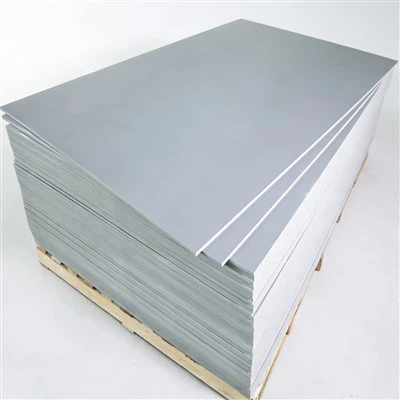
Let's talk about specific types of mats, because this is where things get real for anyone shopping around. First, the temporary ground mats for construction sites (you can check them out here: Temporary Ground Mats for Construction Sites)-these are the workhorses for big projects. They're designed for constant, heavy use, so their abrasion resistance is built into every layer. They have reinforced edges too, which is a big deal because a lot of mats fail right where you connect them together. Those edges take the brunt of trucks turning tight, and if they're thin or not reinforced, they'll fray or split. We've had clients use these mats on highway expansion projects for 18 months straight, moving hundreds of trucks a day, and they still didn't need full replacement-just a few patch-ups here and there.
Then there are the light-duty ones, like the double-sided raised pattern HDPE ground mat (Double Sided Raised Pattern HDPE Ground Mat) and the single-sided version (Single Sided Raised Pattern HDPE Ground Mat). These aren't built for dump trucks, obviously-they're for smaller jobs like landscape work, small events, or temporary access for passenger vehicles. But their abrasion resistance is still solid for what they're made for. The raised pattern on the surface is there to prevent slipping, right? But that texture also means there's more surface area for friction, so the mats don't wear out as fast as a smooth plastic mat would. I had a wedding planner client who used our double-sided ones for three big outdoor events last summer, setting up tents and heavy dance floors, and they looked almost new when we picked them up. That's way better than the thin rubber mats she used before that tore in half by the second event.
Wait, what about mats for super messy environments? Like swamps or muddy, uneven ground? Our swamp mud ground mat (Swamp Mud Ground Mat) is made for exactly that. Those are even thicker, with a textured bottom to keep them from sinking, and the top is reinforced to handle both the weight of heavy equipment and the abrasion from sharp sticks, rocks, and muck that gets dragged across. I remember sending a set of these to a utility company working in a Louisiana bayou last year. They were worried the mats would get chewed up by the construction equipment's tracks, but they called us two months later saying they still only needed to replace one mat-turns out a tree branch fell on it, not from wear. That's the kind of abrasion resistance you need for tough, unforgiving sites.
Now, I know what some of you are thinking: "It's just plastic, how can it really hold up that long?" Let's get into the science a little, no stuffy jargon. HDPE's molecular structure is long and tightly packed, which makes it resistant to friction. But the key is how it's manufactured. Mats made with recycled HDPE? They tend to be more brittle, so they scratch easier and wear out faster than mats made with virgin HDPE. We don't sell any recycled-only mats at my business, because we've seen the difference firsthand. Virgin HDPE is more flexible, so it absorbs the impact of a truck rolling over it without cracking, and the surface is denser, so friction doesn't scrape it away as quickly. Another thing: the thickness of the mat matters. Any mat under ½ inch thick is going to wear out fast, especially for heavy use. Our heavy-duty mats are at least ¾ inch thick, and that extra thickness makes all the difference in abrasion resistance-there's more material to take the beating before it gets weak.
But wait, abrasion resistance isn't the only factor, right? How you use and maintain the mats affects their lifespan too. I've seen clients who throw mats in the back of a truck with sharp metal pipes or concrete debris, and that will scratch and gouge them no matter how good the material is. If you drag a mat across gravel instead of lifting it, the gravel acts like sandpaper and wears down the surface way faster. Also, cleaning them after use-if you leave mud, cement, or construction debris on them for weeks, that material can harden and start to break down the mat's surface over time. It's like leaving a pair of shoes in mud for months; they don't hold up as well as if you clean them right away.
Another test I like to do is what's called the Taber Abrasion Test, which is the standard industry way to measure how much a material wears down under friction. We send samples of all our mats to a third-party lab, and here's what we consistently see: our heavy-duty temporary ground mats have a Taber abrasion resistance of over 1,000 milligrams lost after 1,000 revolutions. That's way above the minimum required for construction site use. The light-duty ones are around 300 milligrams lost for the same test, which is perfect for their intended use. The swamp mud mats? Even higher, around 1,200 milligrams, because they're built for the absolute worst conditions. A lot of cheap mat suppliers won't do these tests, or they use recycled material that makes their numbers look good in a lab but falls apart in real use. We post our test results right on our website, so anyone can check them if they want.
Let me also talk about common mistakes people make when choosing mats, because this ties directly to abrasion. A lot of first-time buyers go for the cheapest mat they can find, not realizing that a $500 set of flimsy mats will need to be replaced after a month, while a $1,000 set of good mats will last three years. It's a no-brainer in the long run. I had a contractor call me last year saying he wasted $2,000 on cheap mats for a residential job-they cracked within two weeks, he had to pay for repairs to the ground when they failed, and he had to rent mats from us for the rest of the project. Total cost for him ended up being twice what it would have been if he'd just bought good mats in the first place.
Another thing to consider is the surface texture, like the raised patterns I mentioned earlier. The raised parts add extra grip, which is great for preventing slips, but they also mean there's less flat surface to take the friction. Wait, actually, that's a good thing-when you have ridges, the friction is spread out across more points, so it doesn't wear a single spot as fast. I've seen smooth plastic mats where the center gets worn thin after a few months because all the weight and friction is in one area. The patterned mats distribute that wear more evenly, so they last longer.
What about extreme weather? Does cold or heat affect abrasion resistance? For HDPE, not really, as long as it's rated for the temperature range. Our mats are made to handle temperatures from -40°F to 140°F, so if you're working in Alaska in the winter or Arizona in the summer, they don't get brittle or soft, which would make them more prone to abrasion. I had a client in Minnesota who used our mats during a brutal cold snap last winter-temperatures were below zero, and the mats still held up fine, no cracking or increased wear. That's a big deal because a lot of plastics get fragile in cold weather and break when you step or drive on them, but our HDPE is formulated to avoid that.
Now, let's get back to the original question: Do ground protection mats have good resistance to abrasion? The answer is yes, but only if you pick the right mat for the job and buy from a reputable supplier. You can't use a light-duty event mat for a construction site with dump trucks, and you can't use a general-purpose mat for a swamp job. If you match the mat to the use case, go for virgin HDPE with good thickness, and treat them right (clean them, don't drag them in gravel, don't overload them), they'll hold up way better than you think.
I've been in this business for 10 years, and I've seen every kind of mat out there. The good ones are worth the investment, period. They save you money by not needing frequent replacement, they protect your work site so you don't have to pay for ground repairs, and they keep your workers and equipment safe. If you're in the market for ground protection mats-whether it's temporary mats for a construction project, light-duty ones for an event, or heavy-duty swamp mats for a wet job-hit us up. We can walk you through which ones fit your needs, send you test results, and make sure you don't waste money on flimsy stuff that'll fall apart in a week.
If you're tired of mats that wear out too fast and cause more problems than they solve, let's connect. We've got the data, the real-world use cases, and the products that actually hold up under the abuse. Don't guess-partner with someone who knows ground protection mats inside and out.
References
ASTM D4060 - Standard Test Method for Abrasion Resistance of Organic Coatings by the Taber Abraser
National Association of Home Builders (NAHB) - Ground Protection Product Guidelines for Residential Construction
Plastics Industry Association (SPI) - HDPE Material Properties and Performance Standards
Construction Safety Association of Ontario (CSAO) - Temporary Access Mat Specifications for Work Sites