

The term "marine fender pad" is not commonly found in publicly available documents. Based on context and industry terminology, it is more likely referring to the panels/face pads of a "marine fender" rather than a vehicle "mudguard." The following explanation is based on authoritative public sources:
Working Principle of Marine Fender (Fender) Pads
Marine fenders are devices installed on the outside of a ship to cushion the impact when docking or pushing. The "face pad" usually refers to the wear-resistant panel that comes into direct contact with the dock or another vessel. Its core function is to reduce friction, disperse impact, and protect the hull.
Main Functions:
Energy Absorption and Cushioning: Absorbs kinetic energy when the ship is docking through the elastic deformation of rubber or polymer materials.
Wear Protection: The face pad is made of ultra-high-molecular-weight polyethylene (UHMWPE) or hard rubber to resist repeated friction and scraping.
Impact Protection: Prevents damage to the hull during docking, pushing, or mooring operations.
Typical Materials and Structures:
The face pad commonly uses UHMWPE (ultra-high-molecular-weight polyethylene) due to its very low friction coefficient, high wear resistance, and impact resistance.
The overall structure is often conical or a rubber fender with an integrated face panel, attached to the ship's side using a steel frame or ropes.
Working Principle of Marine Fender Pads
Popular Products
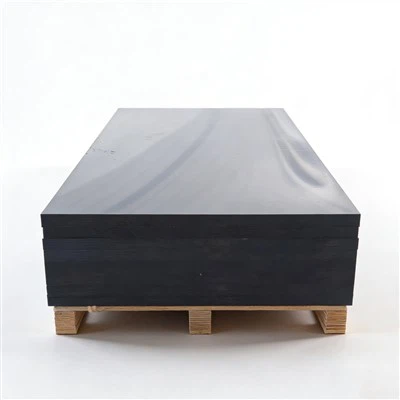
Smooth UHMWPE Sheet
Its self-lubricating surface eliminates the need for oils, greases, or coatings, reducing operational costs and...
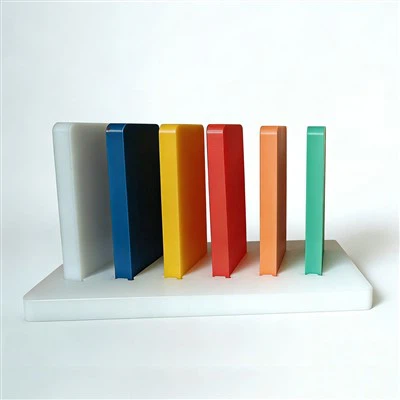
Colored UHMWPE Sheets
Ultra-High Molecular Weight Polyethylene (UHMWPE) sheet stands as a game-changer in engineering plastics, redefining...
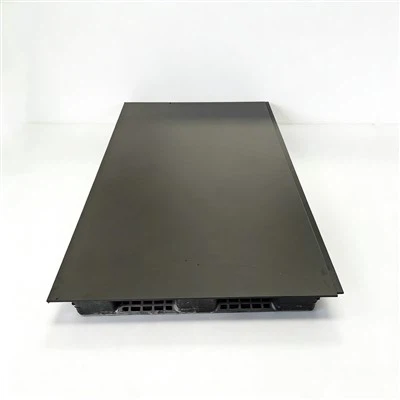
4*8FT Borated UHMWPE Board
Engineered for uncompromising neutron attenuation, the 4*8FT Borated UHMWPE Board stands as a game-changing...
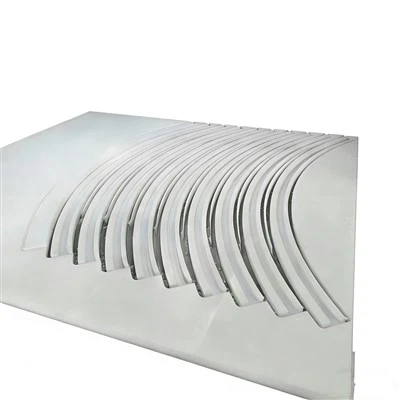
UHMW-PE Guide Rail
UHMW-PE (Ultra-High Molecular Weight Polyethylene) guide rail is a new type of engineering plastic guide component...
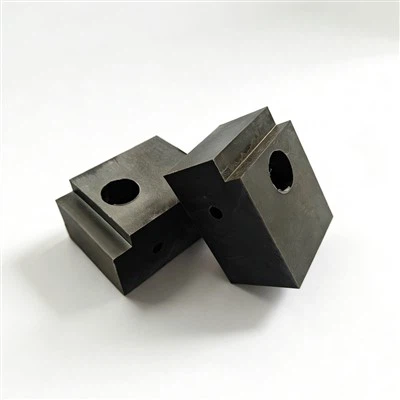
UHMWPE Slider
In the realm of industrial machinery and equipment, smooth, durable sliding components are non-negotiable—and our...
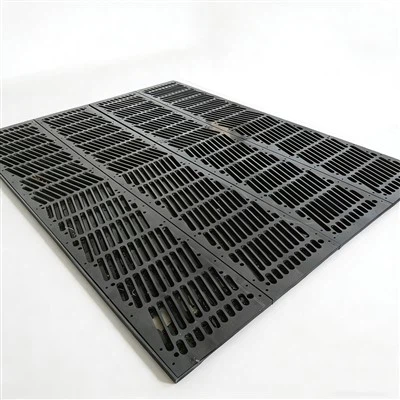
UHMW-PE Suction Box Covers
Tailored exclusively for papermaking machinery, UHMW-PE Suction Box Covers emerge as the ultimate upgrade for vacuum...