

Core structural characteristics
Main material: High-density polyethylene (HDPE) or ultra-high molecular weight polyethylene (UHMWPE) is generally used for mainstream products, and some high-end models use polycarbonate (PC) or high-strength steel brackets. These materials are resistant to impact, abrasion, corrosion, UV rays, and low water absorption, making them suitable for long-term indoor and outdoor use.
Foldable and portable design: Most products adopt a folding structure, with integrated handles and foldable outriggers (such as triangle or X-shaped brackets), which are easy to carry, store and quickly deploy, suitable for various scenarios such as home, school, and club.
Stable support structure: Thickened steel frame or reinforced plastic outriggers are used to ensure that the ball does not shake or shift when hitting the ball repeatedly; Some models are equipped with a non-slip base to keep them stable on different surfaces such as cement floors, grass fields, plastic tracks, etc.
Adjustable angle and rebound control: Professional models usually support board inclination adjustment (common 30°–60°), through snap or knob mechanisms to achieve quick adjustment to simulate different pass trajectories (e.g., ground balls, aerial balls); Some models also have built-in elastic bulges or partitioned grids (such as 9 squares) to create irregular bounces and make it more difficult to predict and control the ball.
Structural characteristics of the football rebound board
Popular Products
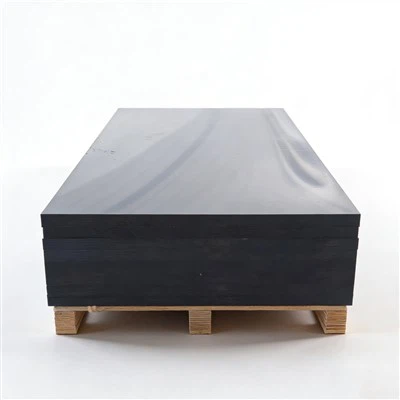
Smooth UHMWPE Sheet
Its self-lubricating surface eliminates the need for oils, greases, or coatings, reducing operational costs and...
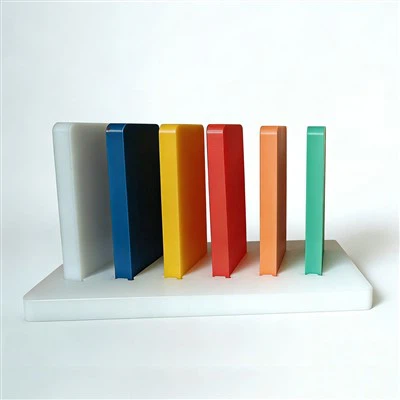
Colored UHMWPE Sheets
Ultra-High Molecular Weight Polyethylene (UHMWPE) sheet stands as a game-changer in engineering plastics, redefining...
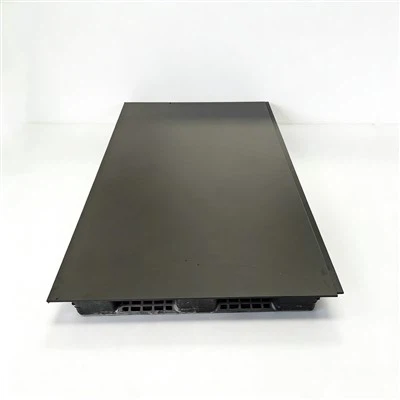
4*8FT Borated UHMWPE Board
Engineered for uncompromising neutron attenuation, the 4*8FT Borated UHMWPE Board stands as a game-changing...
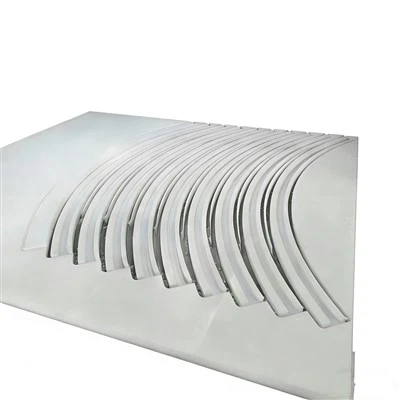
UHMW-PE Guide Rail
UHMW-PE (Ultra-High Molecular Weight Polyethylene) guide rail is a new type of engineering plastic guide component...
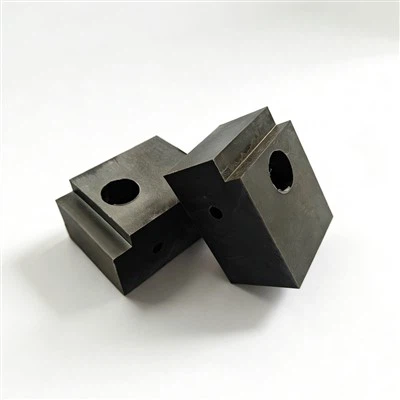
UHMWPE Slider
In the realm of industrial machinery and equipment, smooth, durable sliding components are non-negotiable—and our...
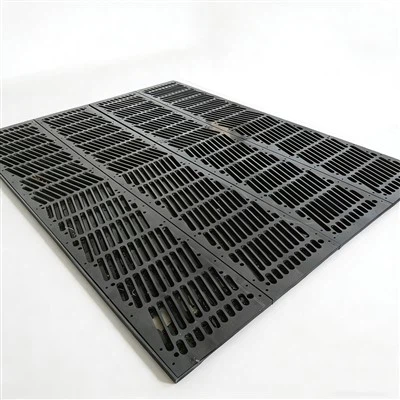
UHMW-PE Suction Box Covers
Tailored exclusively for papermaking machinery, UHMW-PE Suction Box Covers emerge as the ultimate upgrade for vacuum...