
The structural characteristics of the crane outrigger pad are mainly reflected in the four aspects of material, shape design, surface treatment and functional integration, combined with the latest public information (March 2026), its core structural characteristics are as follows:
Material structure
Polymer synthetic materials are the mainstream: the mainstream products use UHMW (ultra-high molecular weight polyethylene) or HDPE (high-density polyethylene), and some high-end models use MC nylon.
UHMW/HDPE: Density is about 0.93–0.94 g/cm³, weight is only 1/7–1/10 of the same specification, light and easy to handle.
MC nylon: stronger pressure bearing capacity (more than 30–45 tons/cm²), but the process is complex and the cost is higher.
Composite structure: Some of the backing plates adopt multi-layer composite or stiffener structure to improve flexural stiffness and load dispersion capacity.
Shape and size structure
Common sizes such as 500×500×50 mm, also customized sizes (300×300×300 mm to 1500×2000×150 mm).
Various shapes : including square, rectangular and round, some of which support modular splicing to adapt to irregular terrain .
Edge treatment: R5 mm rounded corner transitions are often used to prevent scratches and enhance impact resistance.
Surface and interface structure
Double-sided anti-slip design :
Surface : diamond-patterned, grooved or wavy raised to enhance the friction with the outriggers (friction coefficient up to 0.85).
Bottom: toothed raised or deep groove structure, embedded in soil/gravel to form an "anchoring effect" to prevent the pad itself from sliding.
Precision machining: The dimensional error is controlled at ±1 mm (length and width) and ≤0.5 mm (thickness) to ensure the flatness of multiple pieces when splicing.
Functional integration structure
Hand structure: Built-in nylon rope, the end is embedded in the pad body, which is easy to carry by one person.
Groove design: Some models are equipped with 3 cm wide anti-slip grooves on the sides to optimize ergonomics and improve handling efficiency.
Anti-UV and weather-resistant layer: 0.3% antioxidant + UV absorber is added, and the performance attenuation is <3% after 5 years of outdoor use.
Structural characteristics of crane outrigger pads
Popular Products

U Shaped Nylon Slider
U Shaped Nylon Slider can replace traditional metal sliding components. Made from modified nylon base material, it

UHMWPE Silo Lining Board
UHMWPE Silo Lining Board eliminates material wall‑adhesion and bridging blockages to enable smooth material

Nylon U Shaped Slider
Nylon U Shaped Slider features prominent inherent self‑lubricating properties that cut lubrication‑maintenance costs

Colorful HDPE Matte Sheets
Colorful HDPE Matte Sheets retain all excellent inherent properties of standard HDPE. Produced through an integral

HDPE Matte Sheets
HDPE Matte Sheets deliver outstanding overall cost performance. Made of dense, stable raw materials, they resist acids,
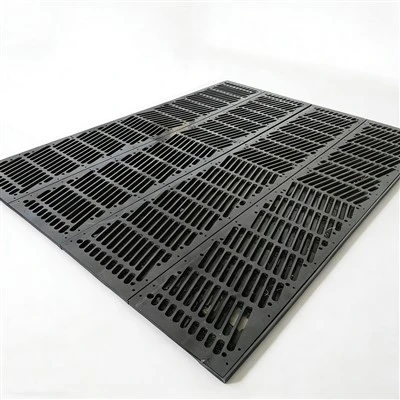
High Performance UHMWPE Suction Box Cover
The High Performance UHMWPE Suction Box Cover delivers greatly enhanced wear and abrasion resistance. It effectively