

As a new type of wear‑resistant and corrosion‑resistant fitting for port, wharf and vessel protection, UHMWPE Fender pads stand out notably for their long service life and strong adaptability to working conditions, solving long‑standing industrial pain points of frequent damage and replacements for conventional rubber, wood and ordinary plastic fender pads. Compared with the average 3‑5‑year service cycle of traditional fender products, UHMWPE Fender pads deliver multiple‑fold service‑life improvement and stable performance across diverse application scenarios, bringing excellent comprehensive cost‑effectiveness.
Under regular operating conditions such as inland‑river terminals, small havens and berths for static vessel docking with low‑frequency berthing movements, UHMWPE Fender pads undergo no high‑intensity impact or continuous frictional wear, and are merely exposed to water vapour, air and mild ultraviolet radiation. Their service life can steadily reach 15‑20 years. In such circumstances, their inherent physical and chemical stability is fully exerted, with hardly any ageing deterioration or structural damage, so frequent inspection and replacement are largely unnecessary. For coastal main‑line ports, cargo terminals and berths with large‑size vessels berthing on a regular basis, where repeated vessel collisions, hull friction and continuous wave scouring generate certain physical wear, these pads can still maintain a service life of 10‑15 years, vastly outperforming conventional materials.
Their extended service life originates from intrinsic material properties. Firstly, their stable molecular structure grants prominent anti‑ageing performance. Subjected to outdoor open‑air wharf exposure, alternating seasonal temperatures and direct sunlight, they will not harden, crack or pulverize, retaining favourable toughness and structural integrity. Secondly, they deliver exceptional corrosion resistance. Salt, chloride ions in seawater, metabolites of various microorganisms, as well as slightly corrosive humid and acid‑alkali port surroundings will not erode them. Problems such as rust, decay, delamination and peeling never occur, making them well‑suited for coastal environments with heavy salt fog and high humidity.
Moreover, top‑tier wear‑resistance and impact‑resistance constitute another core contributor to prolonged service life. UHMWPE features 10‑fold higher wear‑resistance than ordinary polyethylene and 3‑5‑fold higher than rubber. It resists repeated frictional abrasion from steel hull plates and hull coatings, avoiding surface thinning and breakage. Its high‑toughness property enables it to absorb impact energy through mild deformation upon instantaneous forces during vessel berthing without cracking, fracturing or permanent failure. Excellent anti‑fatigue performance allows long‑term operation under cyclic loading.
Natural deterioration is minimal throughout service. Only under extreme circumstances including high‑speed berthing of heavy‑duty large vessels, violent wave strikes during severe typhoons and intensive sediment erosion will minor surface wear emerge, which will not compromise overall protective performance or structural stability. In contrast with conventional rubber fenders prone to ageing and cracking, wooden fenders susceptible to rot and insect infestation, and ordinary plastic fenders liable to brittle fracture, UHMWPE Fender pads display remarkable longevity advantages. They substantially lower wharf operation‑and‑maintenance costs and reduce downtime caused by equipment replacement.
Service life of UHMWPE Fender pads
Popular Products

U Shaped Nylon Slider
U Shaped Nylon Slider can replace traditional metal sliding components. Made from modified nylon base material, it

UHMWPE Silo Lining Board
UHMWPE Silo Lining Board eliminates material wall‑adhesion and bridging blockages to enable smooth material

Nylon U Shaped Slider
Nylon U Shaped Slider features prominent inherent self‑lubricating properties that cut lubrication‑maintenance costs

Colorful HDPE Matte Sheets
Colorful HDPE Matte Sheets retain all excellent inherent properties of standard HDPE. Produced through an integral

HDPE Matte Sheets
HDPE Matte Sheets deliver outstanding overall cost performance. Made of dense, stable raw materials, they resist acids,
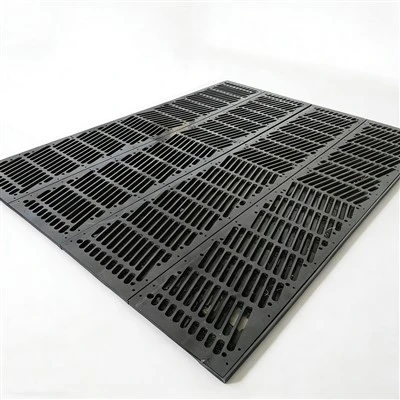
High Performance UHMWPE Suction Box Cover
The High Performance UHMWPE Suction Box Cover delivers greatly enhanced wear and abrasion resistance. It effectively