

Crane outrigger pads are key auxiliary components during heavy construction machinery operations such as cranes, cranes, and pump trucks, and their core functions revolve around safety support, ground protection, and stability improvement. According to the latest authoritative public information (as of March 2026), its main functions can be summarized as follows:
Core features:
Disperse pressure and protect the ground
When the crane is operating, the pressure of the outrigger on the ground is extremely large (for example, a single outrigger of a 50-ton crane can reach 80 megapascals). By increasing the contact area, the concentrated load is evenly distributed, which can reduce the pressure per unit area to 1/10 or even lower, effectively preventing ground collapse, depression or cracking, especially in soft soil, backfill soil, mud and other bad foundations.
Improve the stability of the equipment and prevent it from overturning
On uneven or soft ground, the pads provide a level, stable support surface, reducing the risk of fuselage shaking or tilting. Some products can increase the friction coefficient by up to 40% through anti-slip textures (such as diamond-shaped grooves), and can compensate for the ground slope within 5% to build a three-dimensional stability system.
Enhance operational safety and reduce the risk of accidents
According to statistics, more than 30% of lifting machinery safety accidents are caused by unstable outrigger support. High-quality outrigger pads can significantly reduce the risk of rollover and overturning, and are the "anchor" to ensure the safety of personnel and equipment.
Protect equipment and extend service life
The pad isolation legs are in direct contact with sharp stones, oil stains, salt spray, corrosive soil, etc., reducing the wear, corrosion and impact damage of metal parts, especially in harsh environments such as chemical zones, ports, and coasts.
Adapt to complex working conditions and improve operational efficiency
The outrigger pad is lightweight (only 1/7–1/10 of the same specification steel plate), has a wide temperature resistance range (-180°C to +80°C), is non-absorbent, chemically resistant, supports modular splicing, and is suitable for various scenarios such as construction, bridge, power maintenance, emergency rescue, and wind power installation.
Crane Outrigger Pad Function
Popular Products

U Shaped Nylon Slider
U Shaped Nylon Slider can replace traditional metal sliding components. Made from modified nylon base material, it

UHMWPE Silo Lining Board
UHMWPE Silo Lining Board eliminates material wall‑adhesion and bridging blockages to enable smooth material

Nylon U Shaped Slider
Nylon U Shaped Slider features prominent inherent self‑lubricating properties that cut lubrication‑maintenance costs

Colorful HDPE Matte Sheets
Colorful HDPE Matte Sheets retain all excellent inherent properties of standard HDPE. Produced through an integral

HDPE Matte Sheets
HDPE Matte Sheets deliver outstanding overall cost performance. Made of dense, stable raw materials, they resist acids,
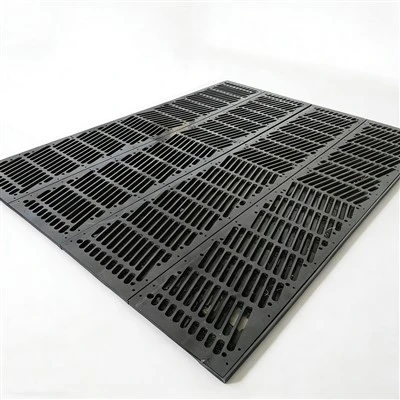
High Performance UHMWPE Suction Box Cover
The High Performance UHMWPE Suction Box Cover delivers greatly enhanced wear and abrasion resistance. It effectively