

HDPE wear resistant strips are commonly installed on industrial equipment contact surfaces, sliding areas, and material conveying sections. The quality of installation directly affects their performance and the normal operation of the equipment. To ensure that the strips provide effective wear resistance, friction reduction, and surface protection, several aspects should be considered before, during, and after installation.
First, inspect the intended installation area before beginning the installation process. The position and orientation of the HDPE wear resistant strip should be determined according to its intended function within the equipment. For example, in conveying systems, the strips are generally installed in areas where materials or conveying components are likely to experience friction. In sliding mechanisms, they are usually positioned between moving components and the main equipment structure. Selecting the appropriate installation location allows the strips to provide effective protection and prevents improper positioning from affecting equipment operation.
Second, clean the installation surface thoroughly. Dust, oil, metal particles, and other debris on the equipment surface may affect the contact between the wear strip and the mounting surface, potentially resulting in uneven contact. Before installation, remove all contaminants and ensure that the mounting surface is clean and flat. Proper surface preparation is particularly important when adhesive bonding is used, as it helps improve the bonding performance.
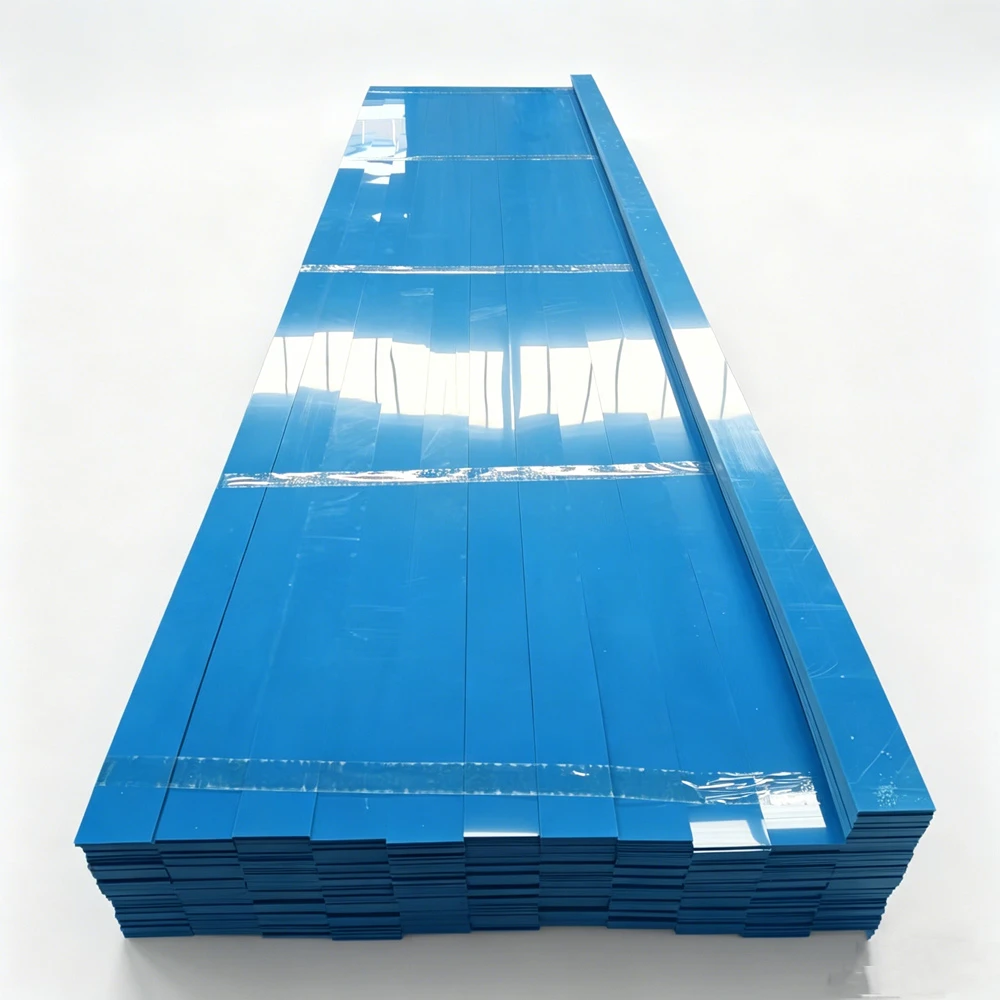
Third, pay attention to the flatness and fit of the wear strips during installation. HDPE wear resistant strips should fit closely against the equipment mounting surface whenever possible. Local lifting, gaps, or unsupported areas should be avoided. Uneven installation may cause concentrated pressure during equipment operation, potentially accelerating wear in certain areas. When installing strips along longer sections, ensure that adjacent sections are properly aligned and that there are no noticeable height differences at the joints.
Fourth, select a suitable fastening method according to the equipment structure and operating conditions. HDPE wear resistant strips can be installed using mechanical fasteners or other appropriate methods, depending on the application. When mechanical fastening is used, ensure that all connection points are secure to prevent loosening caused by continuous vibration or friction during operation. The positions of fasteners should also be carefully considered to prevent them from protruding above the working surface and interfering with other moving components.
In addition, ensure that the wear strips are properly positioned in relation to other equipment components. This is particularly important in conveyors, guiding devices, and sliding mechanisms. The strips should not obstruct material movement or interfere with the operation of moving parts. Their installation positions should be carefully selected to ensure smooth contact and prevent unnecessary friction or obstruction.
Finally, conduct a thorough inspection after installation. Check that the wear strips are securely fastened, their surfaces are flat, and all connections are properly aligned. Also inspect the surrounding components for possible interference or abnormal friction. Before putting the equipment into regular operation, perform a trial run according to the equipment operating procedures and check for loosening, unusual noise, or abnormal wear.
In conclusion, installing HDPE wear resistant strips involves more than simply securing them in place. It is also important to consider surface cleanliness, contact flatness, thermal expansion and contraction, and compatibility with other equipment components. Proper installation helps maintain stable operating conditions, reduce unnecessary wear, and improve equipment reliability.


